有些禮俗,並非僅屬於某一文化,而是人所同息共存,跨國界文化,靜靜流轉於世代之間,含蓄而難以言喻其深意。清明,正是其一。若僅以「掃墓」概之,未免失之淺薄;其實乃生者與逝者之間、記憶與身份之間、責任與情感之間,一種綿密而延續的聯繫。
習武者更感悟尊師重道、慎終追遠,非旁枝末節,而是立身之本。清明之意,正與此理暗合。時值初春,山色回青,眾人登臨祖塋,多見依山而建、俯瞰城郭。塵世喧囂在下,山上氣息自緩,動靜之間,頗耐人尋味。
掃墓之舉,既為整飭,亦為寄意:拂去塵埃,修整碑文,看似細務,實則守護記憶。供品陳列,或果品清茶,或先人所好,焚香裊裊,無聲之言隨煙而上。一切只為聊表心意,以示未忘先師。
尤為可貴者,其氣氛並非沉鬱哀傷,而是莊重中見溫潤。家人聚首,言談笑語間,自有分寸;孩童或未盡解其意,亦在耳濡目染中體會節奏。此乃不傷不避之追思:承認生死流轉,情誼不斷。
此種氣度,與武林傳統頗為相通。習武之人,所得不止於招式,更承一脈心法與門風。歷代先師之名,常存於口,其事跡亦非過往雲煙,而是當下之影響。往拜祖師之墓,正是將此一精神,由拳館延展至家族與人生之中。
對於很多現代人而言,此等禮俗尤顯別具啟發。它提醒我們,緬懷不必局限於心中片刻,亦可見於身體力行,於群體之中代代相傳。
當今世事急促,萬象易逝,清明卻如一聲低迴之音,勸人回望而不滯、懷遠而不傷。使人明白自身亦在長流之中,承前人之所立,亦終將為後來者所念。
There are certain rituals that do not merely belong to a culture. They seem to breathe alongside it, moving quietly through generations with a dignity that resists explanation. Ching Ming, also known as “Tomb-Sweeping Day”, is one such tradition. To describe it simply as an act of grave cleaning would be to miss its essence entirely. It is, rather, a deeply textured expression of continuity between the living and the departed, between memory and identity, between duty and affection.
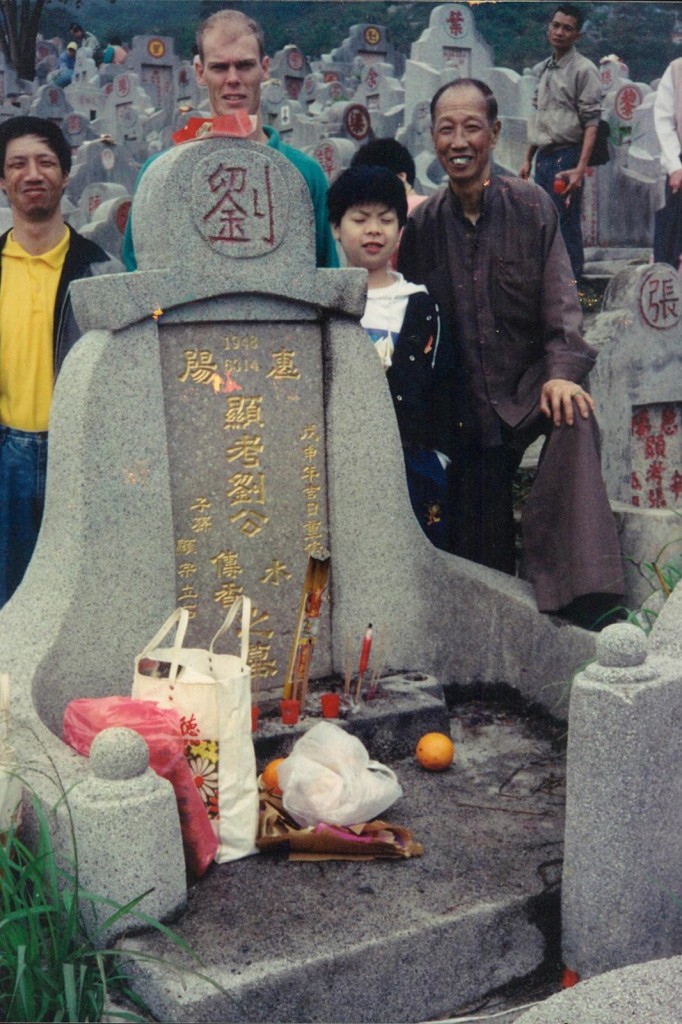
Having spent many years in Hong Kong immersed in the disciplined grace of southern Chinese kung fu traditions, one would come to understand that reverence for one’s teacher, one’s lineage, and ultimately one’s ancestors is not a peripheral virtue but a central pillar. Ching Ming embodies this principle with quiet clarity.
Observed in early April, when the subtropical air begins to soften and the hillsides regain their lush green, families make their way to ancestral graves. In Hong Kong, these sites often cling to steep slopes, overlooking the restless geometry of the city below—a juxtaposition that feels entirely appropriate. The modern world hums beneath, while above, time slows to something more contemplative.
The act of sweeping the tomb is both practical and symbolic. We clear away leaves, scrub stone surfaces, and repaint inscriptions where needed. But what one is truly doing is tending to memory. Each gesture, no matter how small, is a reaffirmation: you are not forgotten. Offerings are laid out with care: fruit, tea, sometimes a favourite dish of the departed, and with incense lit, curling smoke carrying unspoken words skyward.
What has always left an impression is the tone of the occasion. Contrary to what an outsider might expect, Ching Ming is not steeped in sorrow. There is solemnity, certainly, but it is accompanied by a gentle warmth. Families talk, share food, even laugh. Children, initially restless, absorb the rhythm of the day in their own way. It is remembrance without morbidity, as it becomes a balanced acknowledgment that death is neither an end nor a taboo, but a continuation of relationship in another form.
This sensibility aligns closely with the traditions in kung fu world. One does not simply train techniques; one inherits a lineage. The names of past masters are spoken with respect, their stories retold not as distant history but as living influence. Visiting the graves of our grandmasters extends this same ethos beyond the training hall into the broader fabric of family life.
For those of us raised in Australia, where cultural expressions of ancestry can sometimes feel diffuse or understated, participating in such customs offers a compelling alternative perspective. It suggests that remembrance need not be confined to anniversaries or quiet moments of private reflection. It can be physical, communal, even tactile—something enacted with one’s hands and shared across generations.
In an age increasingly preoccupied with the immediate and the ephemeral, Ching Ming stands as a quiet counterpoint. It asks us to look backward not out of nostalgia, but out of respect; not to dwell, but to remain connected. And in doing so, it offers a subtle but profound reassurance that we, too, are part of a continuum, held in place by those who came before us, and, in time, remembered by those who follow.